Who We Are
A Global Community of
Ocean Scientists
OceanGliders is a global programme supporting the use of autonomous underwater gliders for sustained ocean observation, coordinating science, data management, and operations across institutions worldwide.
Our Story
OceanGliders History
Gliders are autonomous underwater vehicles that perform saw-tooth trajectories from the surface to depths of 1000 m, along programmable routes. They move up and downward thanks to a buoyancy engine and achieve forward speeds of up to 40 km/day thanks to wings and rudders. They can be operated for months and over thousands of kilometres before they have to be recovered.
Gliders record Essential Oceanic Variables (physical and biogeochemical) at high resolution during dives and transmit these data in near real time to land via satellite when at surface (every few hours). First conceived in the late 1980s, gliders are now incorporated into the operational technology portfolios of many research institutions and agencies, used routinely for both process studies in marine sciences and long-term ocean observation.
The OceanGliders program started in September 2016 to support active coordination and enhancement of worldwide glider activity. OceanGliders contributes to international efforts for Ocean Observation for Climate, Ocean Health and Real Time Services. It brings together marine scientists and engineers deploying gliders all over the world to observe long-term physical, biogeochemical, and biological ocean processes, and to contribute to GOOS through real-time and delayed mode data dissemination.
OceanGliders is distributed across several national and regional observing systems. It shares best practices, requirements, and scientific knowledge needed for glider operations, data collection and analysis, and supports the dissemination of glider data in regional and global databases in real-time and delayed modes.
Open Data
Data Management
OceanGliders promotes open, accessible, and interoperable glider data that maximise scientific and societal value, aligned with FAIR principles and the Essential Ocean Variables (EOVs) framework of GOOS. Data standards, formats, quality control procedures, and best practices are developed through community consensus, coordinated by the Ocean Glider Data Management Team (OGDMT) and maintained at the OceanGliders GitHub.
OG1.0 Data Format
The OceanGliders format (OG1.0, released June 2024) provides a community standard for glider data files, ensuring interoperability across platforms and institutions.
Standard Operating Procedures
Community-reviewed SOPs cover key sensors including oxygen, salinity, nitrate, chlorophyll, depth-average currents, ADCP, and vertical velocities.
Real-Time Data
Data are transmitted via satellite in near real time (every few hours) and disseminated through global databases for both operational and research communities.
MetaData
OceanOPS technical coordination
OceanOPS coordinates with OceanGliders, the operational centre for GOOS observing networks, which maintains the global registry of glider deployments, monitors network status in real time, and ensures glider data are accessible alongside observations from complementary GOOS networks.
Governance
OceanGliders Steering Team (OGST)
The OceanGliders Steering Team oversees the scientific direction, coordination activities, and strategic partnerships of the programme.
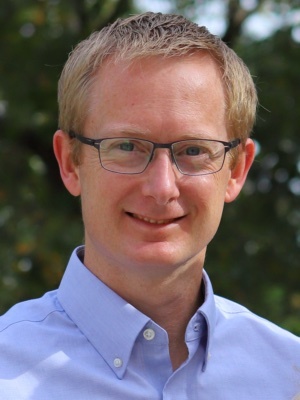
Robert Todd
OceanGliders Co-Chair
Woods Hole Oceanographic Institution, United States
Robert is a physical oceanographer at the Woods Hole Oceanographic Institution (WHOI). His research focuses on boundary current systems and upper ocean processes. Since 2015, he has led efforts to routinely sample the Gulf Stream along the US East Coast using gliders. He has long used small Doppler current profilers on gliders to measure depth-resolved ocean currents alongside other physical and biogeochemical properties. Robert has been involved with OceanGliders since 2016, having joined the Steering Team in 2022 and serving as co-Chair since 2025.
rtodd@whoi.edu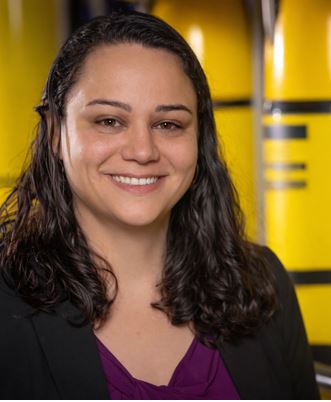
Filipa Carvalho
OceanGliders Co-Chair
National Oceanography Centre, United Kingdom
Filipa is a biological oceanographer and marine biogeochemist at the National Oceanography Centre (UK), studying biophysical interactions and the biological carbon pump using underwater gliders and other autonomous platforms. Her work focuses on how water column dynamics influence phytoplankton and carbon export, particularly in polar regions. She is an active member of the OceanGliders programme and, since November 2024, Chief Scientist for the Marine Autonomy Robotics Systems (MARS) group, fostering links between marine science and technology.
filipa.carvalho@noc.ac.uk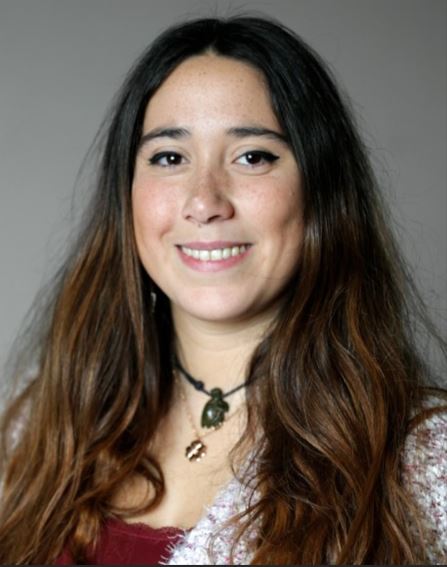
Mariarita Caracciolo
OceanGliders Technical Coordinator
ENSTA/OceanOPS-WMO, France
Technical Coordinator of the Ocean Gliders, where she supports global coordination through real-time tracking, data management, reporting services, and the development of IT tools for underwater glider operations. She is also Coordinator of the European Glider Community (EGC), facilitating collaboration between scientists, engineers, operators, and policymakers through workshops and webinars. With a background in marine ecology and data science, she combines research coordination with strong expertise in science communication and outreach.
mcaracciolo@wmo.int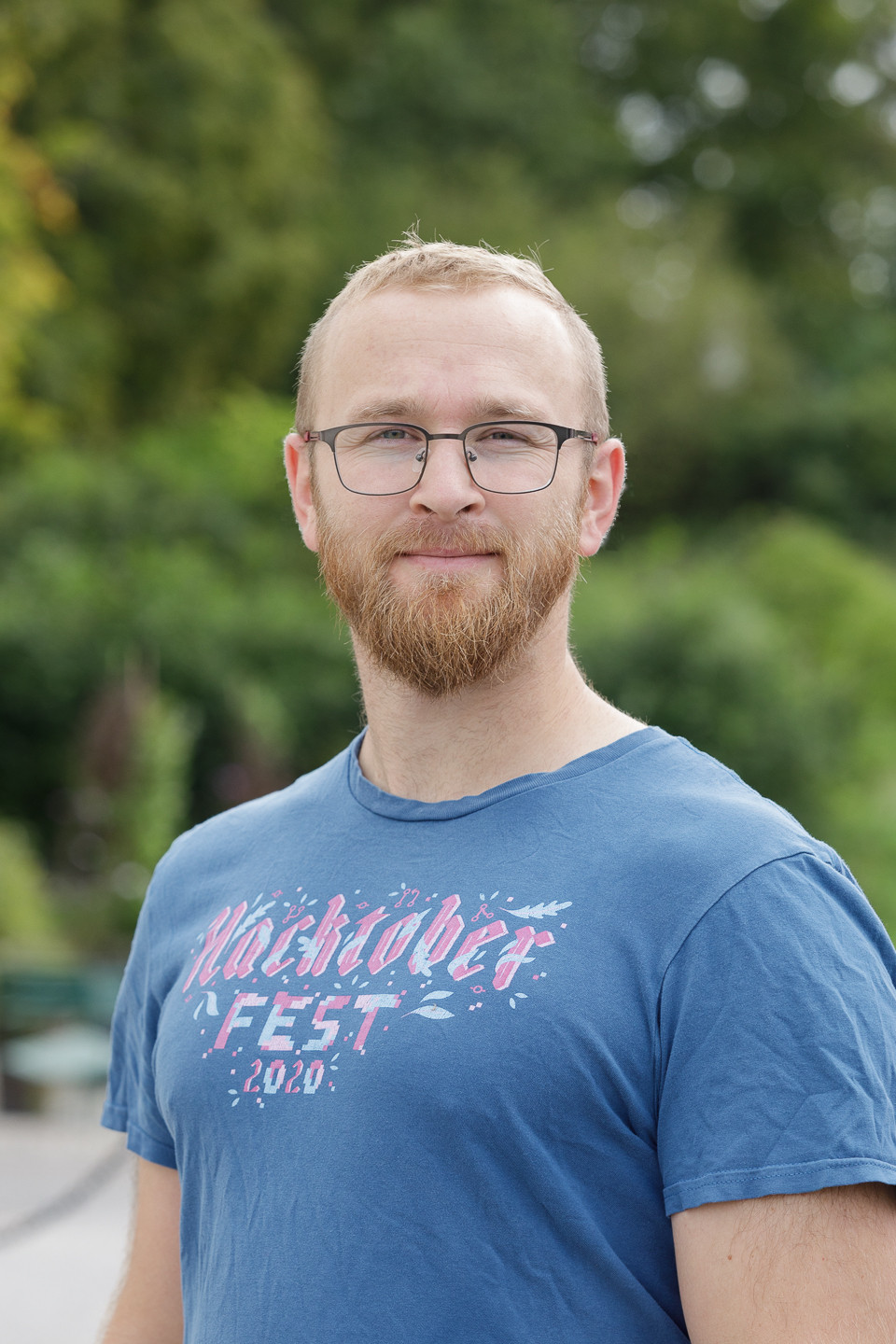
Callum Rollo
OceanGliders Data Team Lead
Voice of the Ocean Foundation, Sweden
Callum is responsible for data flow, processing, and quality at Voice of the Ocean Foundation. He has 8 years of experience in the European glider community, working on standards like the OceanGliders data format and increasing the usage of common standards and controlled vocabularies. He has contributed to community owned open-source tools for glider data processing and dissemination, including pyglider, glidertest, and erddapy.
callum.rollo@voiceoftheocean.org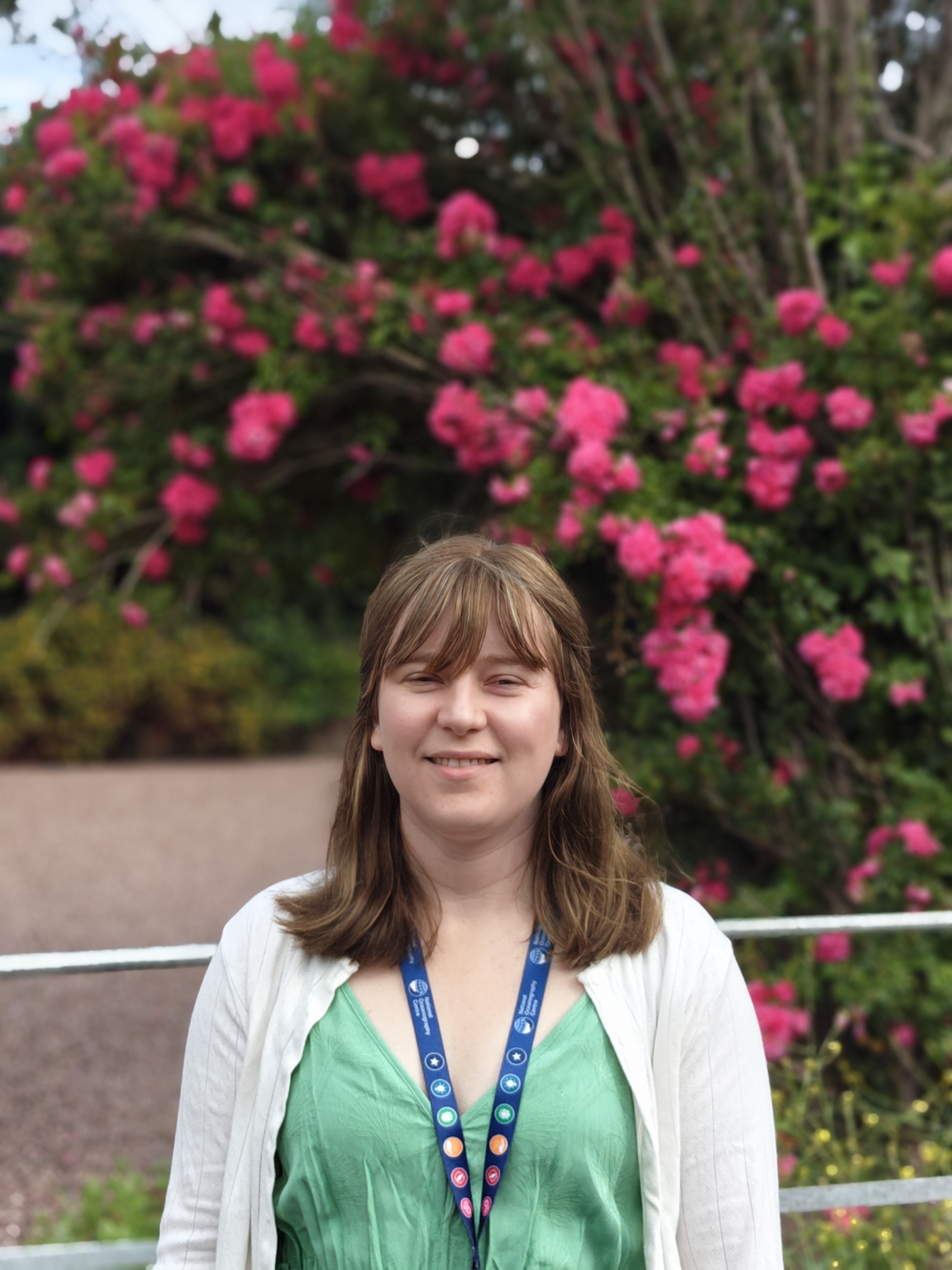
Emma Gardner
OceanGliders Data Team lead
NOC, UK
Emma has over 8 years of experience within the European glider community and is the head of Autonomous Platform data management at NOC. She first joined the European glider data task team in 2018 before it evolved into the current OceanGliders data team. I have been lead of the OceanGliders data team since 2024 in support of a global standard for glider data. My aim is to support the uptake of the OceanGliders data format and promote data management best practices.
emmer@noc.ac.uk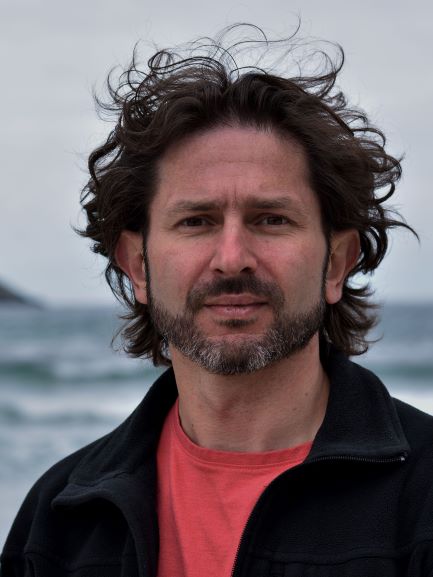
Ilker Fer
OceanGliders Steering Team member
University of Bergen, Norway
Professor of physical oceanography at the Geophysical Institute, University of Bergen. He leads the Norwegian node for the European Multidisciplinary Seafloor and water column Observatory (NorEMSO) and the Norwegian National Facility for Ocean Gliders (NorGliders). His research covers ocean processes from meso- to small scales, with focus on ocean mixing and turbulence.
ilker.fer@uib.no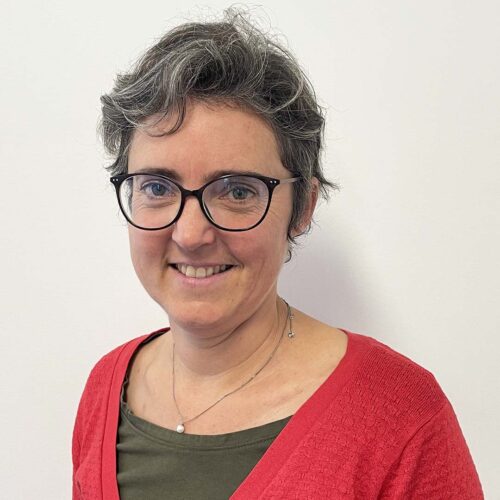
Elisabeth Remy
OceanGliders Steering Team member
Mercator Ocean International, France
Head of the "Physical Ocean" unit within the R&D department at Mercator Ocean International, with expertise in global ocean data assimilation, coordination of European projects and collaborations with space agencies on the impact of observations. Member of the OceanPredict Science team.
eremy@mercator-ocean.fr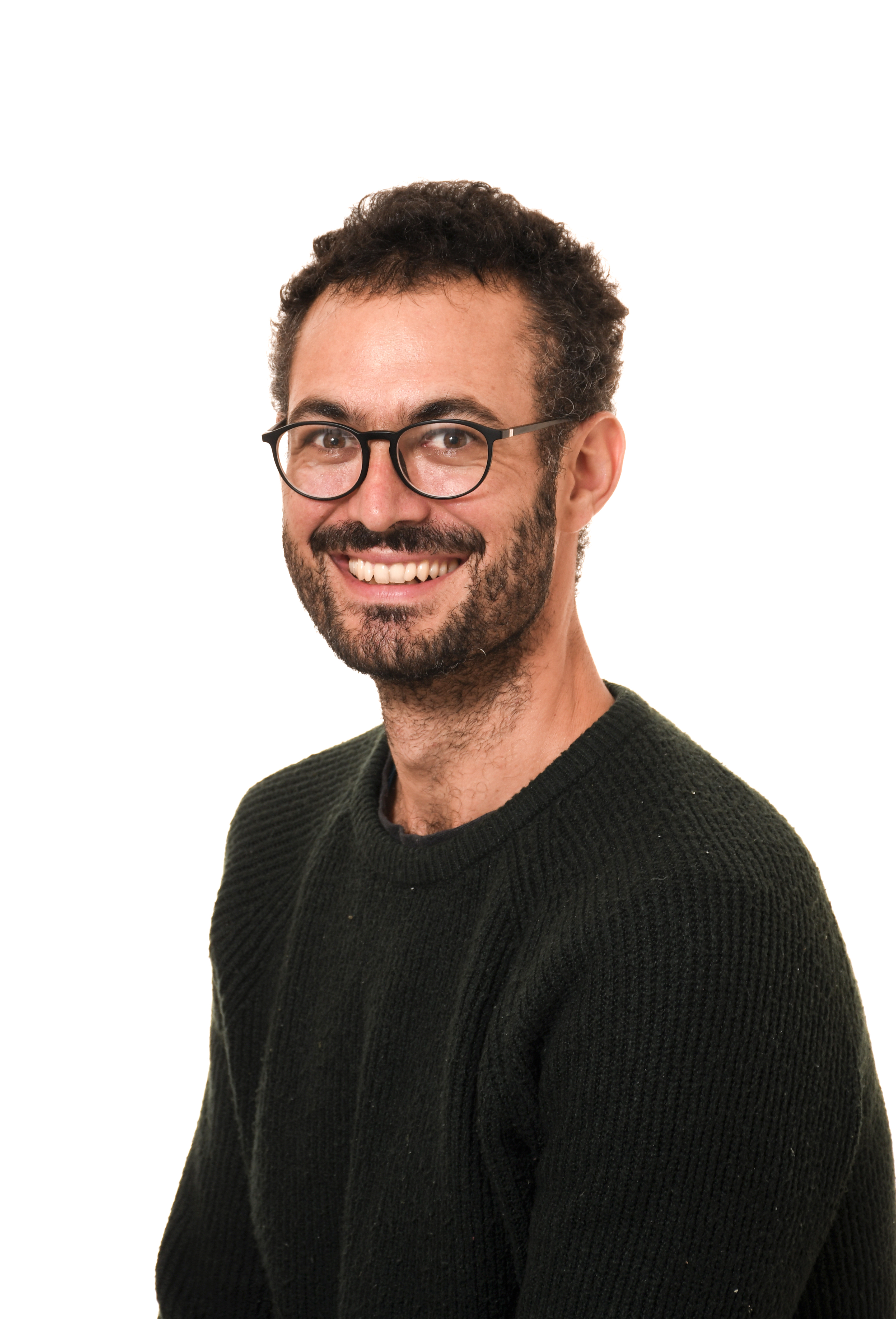
Pierre Cauchy
OceanGliders Steering Team member
UQAR-ISMER, Canada
Involved in the development of Passive Acoustic Monitoring (PAM) applications on gliders since 2012, and co-scientific director of the Marine Acoustics Research Station (MARS). Interested in the multidisciplinary observation of anthropogenic and climatic pressures on the marine environment through monitoring of Ocean Sound, and the integration of glider-borne observation into underwater noise management frameworks.
pierre_cauchy@uqar.ca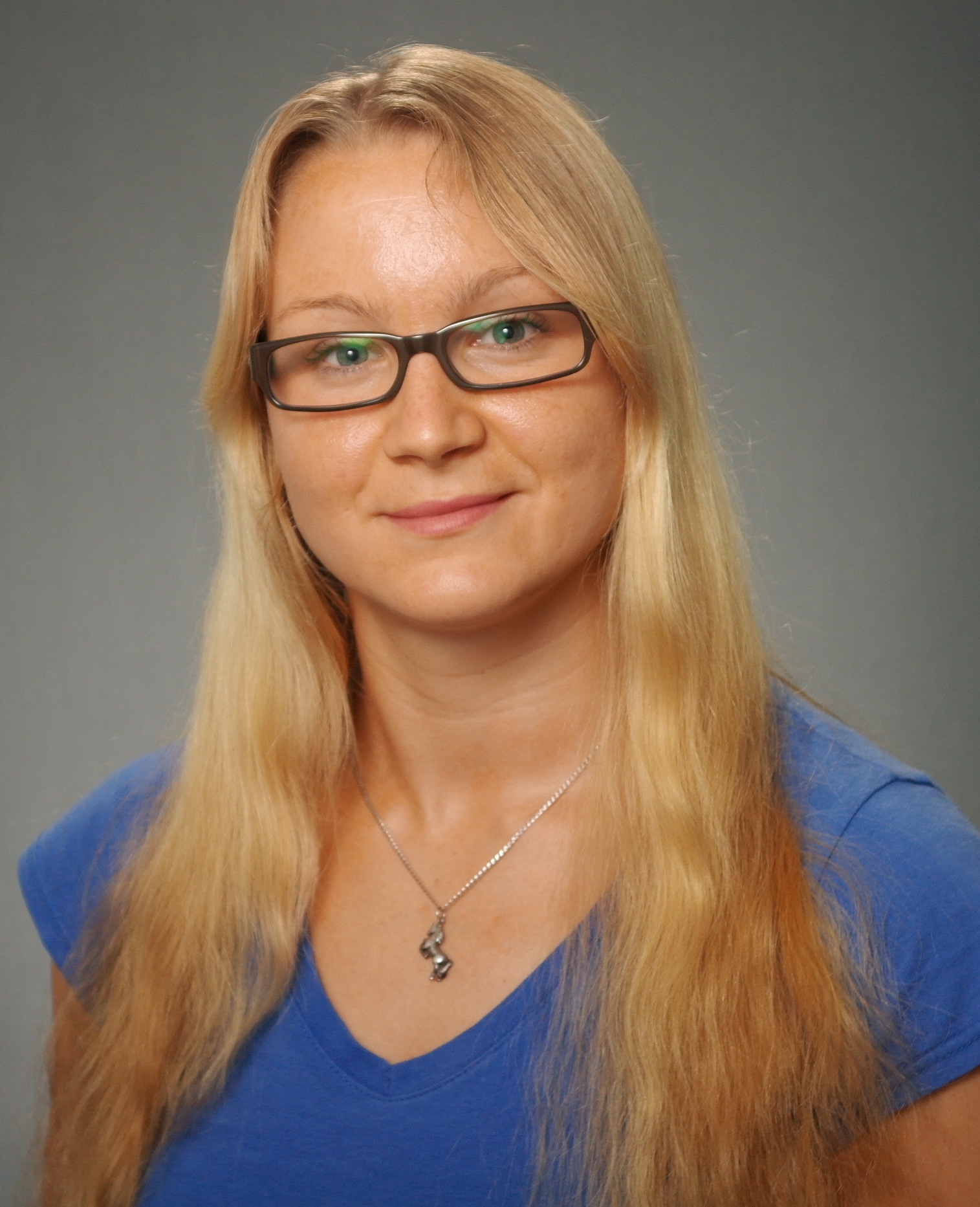
Naomi Krauzig
OceanGliders Polar mission Lead
GEOMAR Helmholtz Centre for Ocean Research Kiel, Germany
Early-Career Executive member of the OceanGliders Steering Committee. Her work spans scales from small-scale mixing and microstructure processes to large-scale circulation and ocean–atmosphere–ice interactions, with glider experience in polar regions and the Mediterranean Sea. She leads glider data processing within the Physical Oceanography department at GEOMAR.
nkrauzig@geomar.de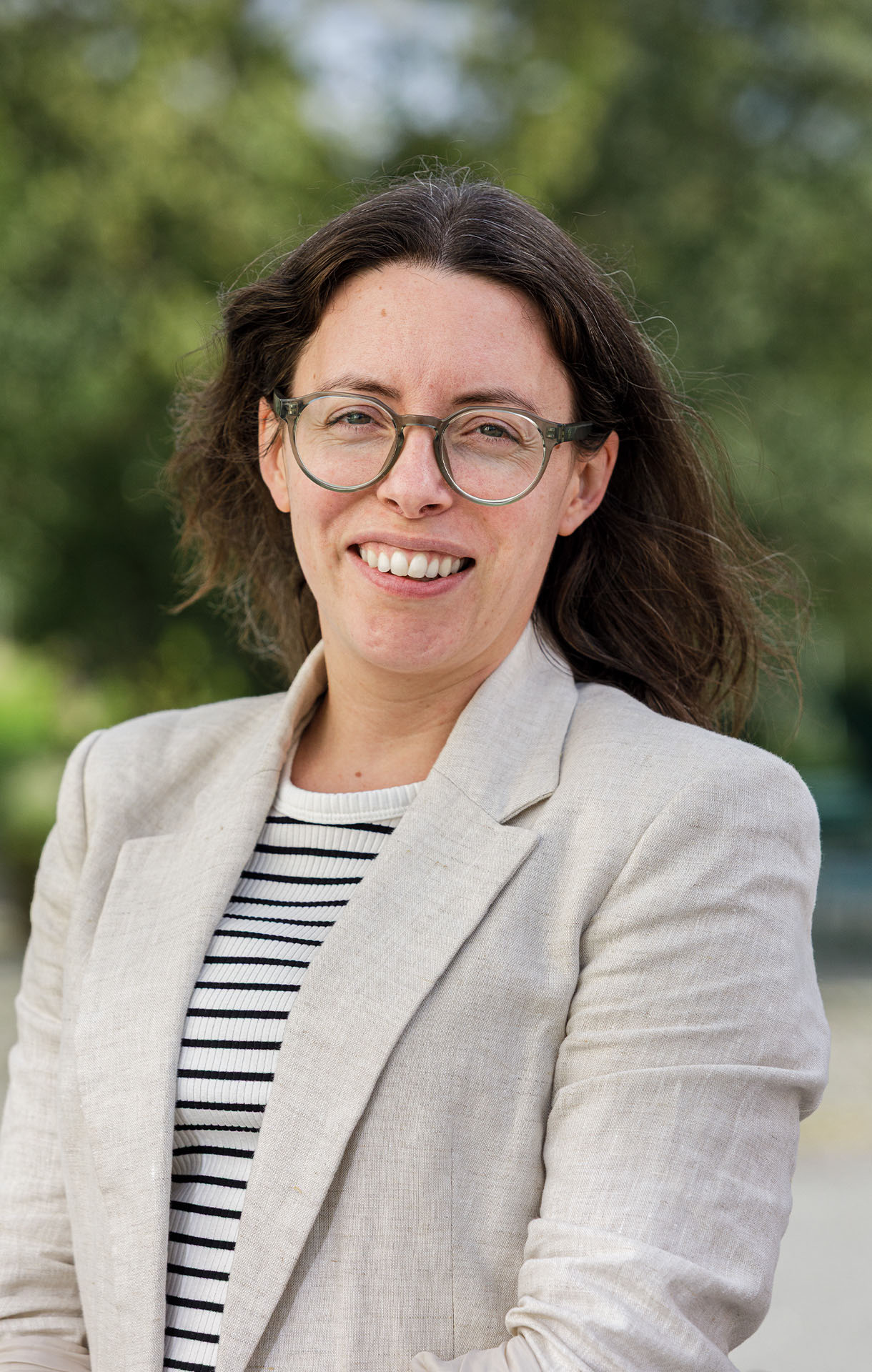
Louise Biddle
OceanGliders Steering Team member
Voice of the Ocean Foundation, Sweden
Louise Biddle is the Science Director at Voice of the Ocean (VOTO), where she leads scientific strategy and supports ocean observation, data management, and research infrastructure services. She has a research background in physical oceanography and glider-based observations, having conducted field studies on upper-ocean processes in polar regions and developed observational tools. With deep experience in ocean science and autonomous platforms, she works to advance ocean research, open data, and collaboration across scientific and operational communities.
louise.biddle@voiceoftheocean.org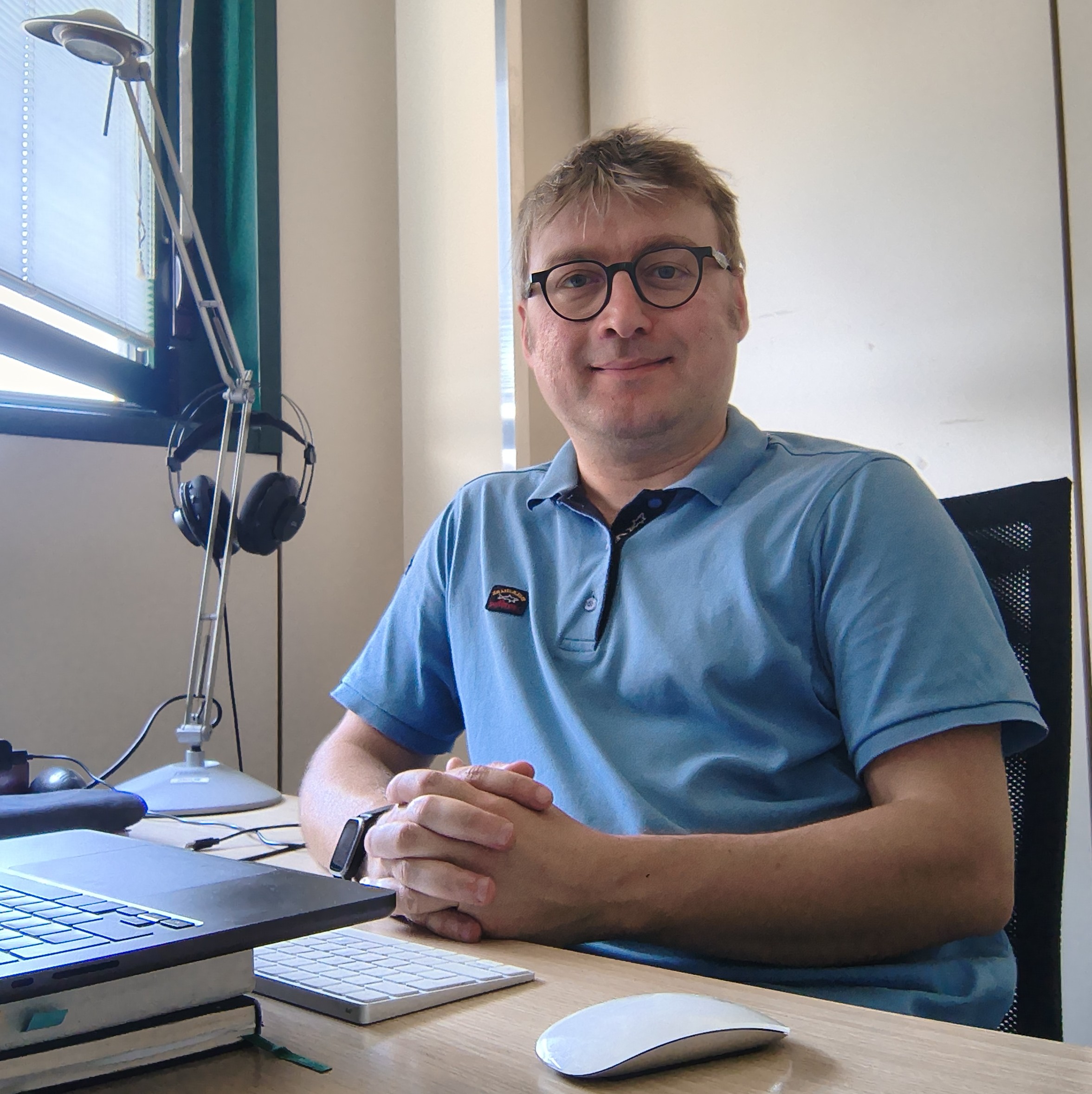
Ali Aydogdu
OceanGliders Steering Team member
Euro-Mediterranean Centre on Climate Change (CMCC), Italy
Physical oceanographer specializing in data assimilation for regional, coastal, and polar seas. He leads the regional ocean data assimilation research unit at CMCC and heads the physics component for the CMEMS Black Sea Marine Forecasting Centre.
ali.aydogdu@cmcc.it
Pierre Testor
OceanGliders Steering Team member
LOCEAN-IPSL, CNRS/UPMC, France
Pierre Testor is a French physical oceanographer specializing in ocean currents, marine ecosystems, and global environmental change. He has led numerous sea expeditions, collecting and analyzing oceanographic data. He is a pioneer in the use of underwater gliders for ocean observation. He works at CNRS and contributes to research, publications, and doctoral supervision.
pierre.testor@locean.ipsl.fr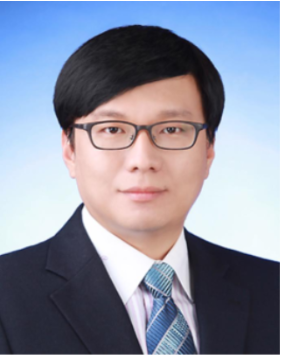
Jong-Jin Park
OceanGliders Steering Team member
Kyungpook National University, Republic of Korea
Chair of the Korean Argo Program and director of the Korea Autonomous Ocean observing System (KAOS). His team operates 15 Slocum gliders and has accumulated over 3,000 glider-days and ~77,000 km of autonomous observations. His research focuses on mesoscale-submesoscale ocean dynamics, near-inertial internal waves, and AI-based ocean state estimation.
jjpark@knu.ac.krGovernance
Task Teams (TT)
Task Teams address specific scientific themes and technical topics, drawing membership from the broader international community of glider operators, scientists, manufacturers, and stakeholders. Task Teams report regularly to the OGST and co-leads will be invited to integrate the OGST.
Full governance details, including membership, responsibilities, and decision-making procedures, are set out in the OGST Terms of Reference.
Current task teams are under review. If interested in an existent TT, contact the current TT leader.
Passive Acoustic Monitoring (PAM)
The PAM TT is leaded by Pierre Cauchy. [...]
Data Assimilation (DA)
The DA TT is leaded by Aly Aydogdu. [...]
Extreme events (EE)
The EE TT is leaded by Charitha Pattiaratchi. [...]
Institutional Partners
Partnerships
OceanGliders engages with community organisations and industry partners that support glider operations and network development. The Underwater Gliders User Group (UG2) and the European Glider Community (EGC) are regional community led groups connecting glider operators, scientists, and stakeholders, promoting knowledge exchange and coordination across national and regional programmes. Glider manufacturers and technology developers are also active partners, contributing to platform innovation, sensor development, and the long-term operational sustainability of the network.
EGC
Mapping glider deployers worldwide and providing tools, data maagement support and training opportunities for European glider operators.
UG2
A community-based coalition aimed at bolstering scientific collaboration, information, and resource sharing for gliders.
GOOS-OceanOPS/WMO
Monitoring and Supporting Global Ocean Observing Networks through coordination and development of IT tools for GOOS. World Meteorological Organization co-sponsors GOOS.